One small touch can carry a chilling purpose. When an officer approaches your window after a traffic stop, that brief contact with your tail light might look meaningless, but it can reflect preparation for something going wrong. Behind the gesture is an old precaution tied to evidence, uncertainty, and what investigators might need if an ordinary stop turns dang… Continues…
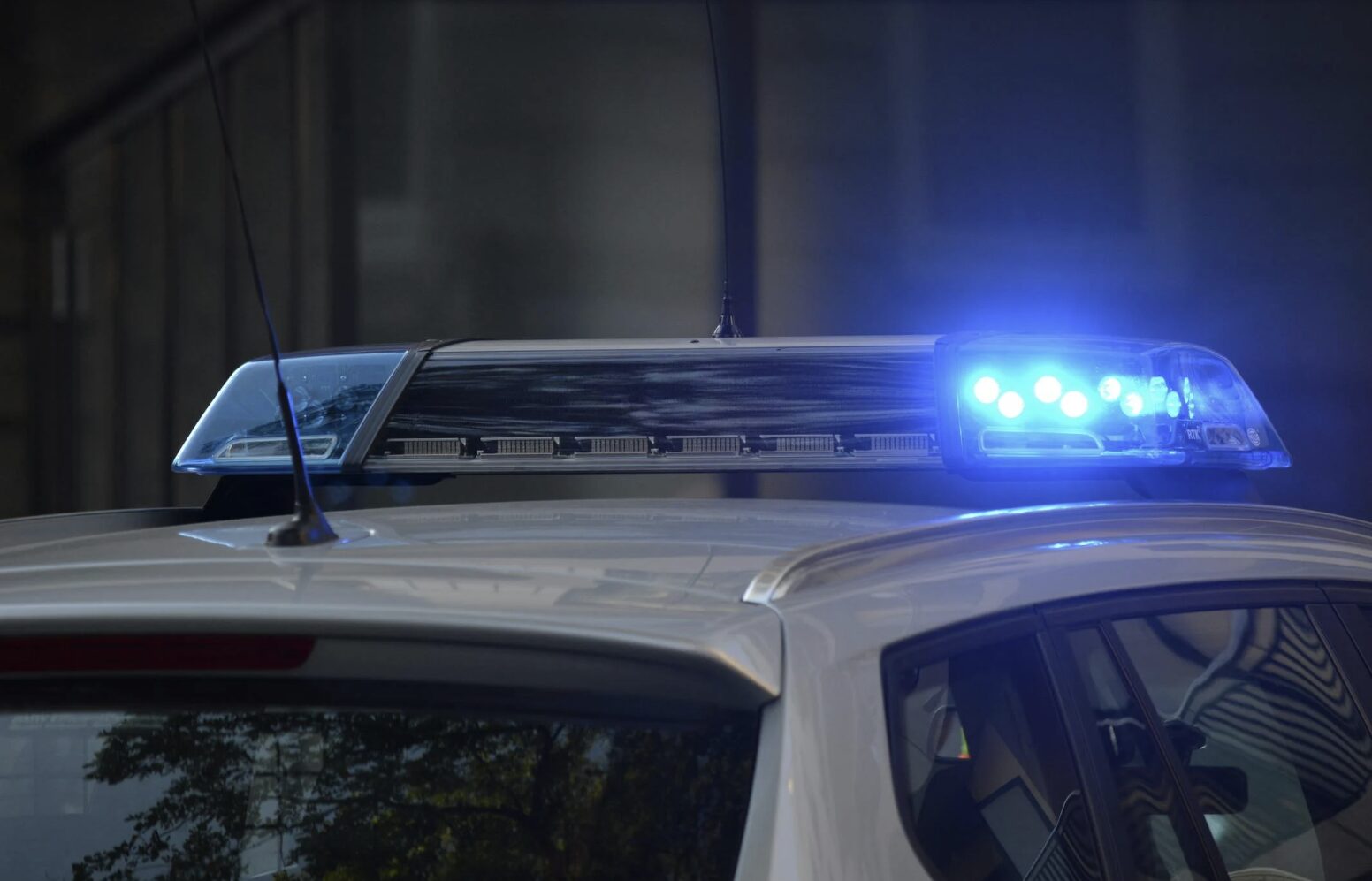
An officer touching the rear of a vehicle may be following a longstanding practice: leaving a fingerprint that could help establish contact with that particular car. Before dashboard and body cameras became widespread, this offered a potential physical link if a driver fled or an officer was harmed. The important distinction is whose print remains. It belongs to the officer, not the driver, and would not, by itself, identify whoever was behind the wheel.
That gesture is not a guarantee of usable evidence, however. Weather, dirt, surface conditions, and later handling can affect whether a fingerprint survives or can be recovered. Practices also vary among officers and departments, and modern recordings provide other ways to document encounters. So a touch near the tail light is best understood as a possible precaution, not a secret code or proof that trouble is expected. Its significance lies in preparing for uncertainty.